Online Learning Communities Are Quietly Transforming Senior Health for Greg
.png)


Plan your expenses and deductions strategically each year
Egestas tincidunt ipsum in leo suspendisse turpis ultrices blandit augue eu amet vitae morbi egestas sed sem cras accumsan ipsum suscipit duis molestie elit libero malesuada lorem ut netus sagittis lacus pellentesque viverra velit cursus sapien sed iaculis cras at egestas duis maecenas nibh suscipit duis litum molestie elit libero malesuada lorem curabitur diam eros.
- Morbi fringilla molestie magna sed dictum. Praesent pharetra turpis augue.
- Cras mi purus, viverra vitae felis sit amet, tincidunt fringilla lorem.
- non mattis urna ex nec sem. Donec varius diam et suscipit venenati proin tincidunt
- Quisque euismod posuere lacus sit amet volutpat. Praesent vel imperdiet
Maintain accurate and organized financial records for easy reporting
Tincidunt pharetra at nec morbi senectus ut in lorem senectus nunc felis ipsum vulputate enim gravida ipsum amet lacus habitasse eget tristique nam molestie et in risus sed fermentum neque elit eu diam donec vitae ultricies nec urna cras congue et arcu nunc aliquam at.

Talk to a tax professional for expert guidance
At mattis sit fusce mattis amet sagittis egestas ipsum nunc scelerisque id pulvinar sit viverra euismod. Metus ac elementum libero arcu pellentesque magna lacus duis viverra pharetra phasellus eget orci vitae ullamcorper viverra sed accumsan elit adipiscing dignissim nullam facilisis aenean tincidunt elit. Non rhoncus ut felis vitae massa mi ornare et elit. In dapibus.
- Morbi fringilla molestie magna sed dictum. Praesent pharetra turpis augue.
- Cras mi purus, viverra vitae felis sit amet, tincidunt fringilla lorem.
- non mattis urna ex nec sem. Donec varius diam et suscipit venenati proin tincidunt
- Quisque euismod posuere lacus sit amet volutpat. Praesent vel imperdiet
Personalized Marketing: AI helps in analyzing customer data to create personalized marketing campaigns
At mattis sit fusce mattis amet sagittis egestas ipsum nunc. Scelerisque id pulvinar sit viverra euismod. Metus ac elementum libero arcu pellentesque magna lacus duis viverra. Pharetra phasellus eget orci vitae ullamcorper viverra sed accumsan. Elit adipiscing dignissim nullam facilisis aenean tincidunt elit. Non rhoncus ut felis vitae massa. Elementum elit ipsum tellus hac mi ornare et elit. In dapibus.
“Amet pretium consectetur dui aliquam. Nisi quam facilisi consequat felis sit elit dapibus ipsum nullam est libero pulvinar purus et risus facilisis”
Use accounting and tax software to make management easier
Placerat dui faucibus non accumsan interdum auctor semper consequat vitae egestas malesuada quam aliquam est ultrices enim tristique facilisis est pellentesque lectus ac arcu bibendum urna nisl pharetra bibendum felis senectus dolor commodo quam elementum sapien suscipit qat non elit sagittis aliquam a cursus praesent diam lectus tellus mi lobortis in amet ac imperdiet feugiat tristique nulla eros mauris id aenean a sagittis et pellentesque integer ultricies sit non habitant in cras posuere dolor fames.
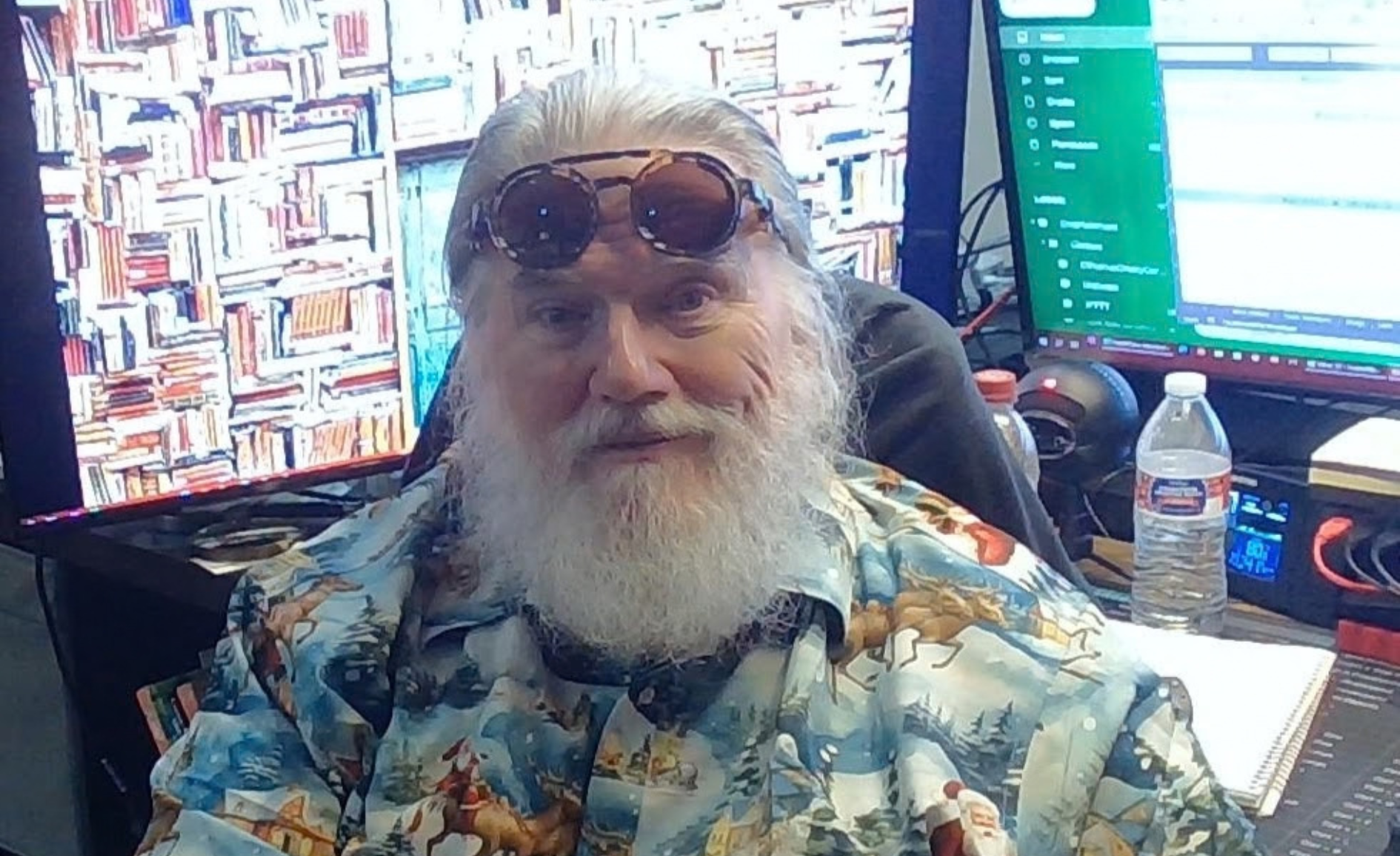
When Greg, a retired customer service professional in rural Oklahoma, started browsing online adult education options in early 2020 after reading an article about these opportunities in The New York Times, he wasn't looking for a lifeline. He was just curious. What he found turned out to be one of the most health-positive decisions of his retirement.
His story echoes across millions of older adults who have discovered that the antidote to the silent epidemic of senior loneliness isn't always found in a doctor's office. Sometimes, it's in a Tuesday evening jazz session on a laptop screen.
The health crisis hiding in plain sight: senior isolation
Social isolation among older adults is now widely recognized as a serious public health concern, with risks comparable to smoking 15 cigarettes a day. For many retirees, especially those in smaller towns, rural areas, or those aging solo, the challenge is simply finding a community that fits.
"We as seniors are in a unique situation where for a lot of us, we don't have face-to-face contact with people, and we have limited community in regards to where we are or friends around us that we can be with."
This isn't just an emotional observation: it's a clinical reality. Research consistently links social disconnection in older adults to accelerated cognitive decline, depression, weakened immune function, and higher rates of dementia. Finding ways to stay meaningfully connected isn't optional for healthy aging: it's essential.
From pandemic isolation to 5–6 hours of productive daily engagement
Already working from home before the COVID-19 pandemic, Greg was better prepared than most when lockdowns began. But even he felt the pull of an unproductive online life until he discovered a structured, social learning platform designed specifically for older adults.
"By the summertime, I was spending 5–6 hours a day on GetSetUp, so it was a really exceptional opportunity to have a more productive online life. I've had unproductive online lives, and GetSetUp was particularly productive, and I was able to learn a lot."
That distinction matters enormously. Passive screen time, scrolling social media, and watching television have been linked to increased depression in older adults. Active, structured engagement with real people pursuing shared interests is neurologically and psychologically healthier; it activates learning centers in the brain, creates social bonds, and generates a sense of purpose.
The three health pillars of online learning communities
Looking at this retiree's experience through a health lens, three distinct benefits emerge — each backed by a growing body of research on healthy aging.
1. Cognitive stimulation: Learning new things like Microsoft Office tools, Spotify playlists, jazz history, and current events is one of the most powerful protections against cognitive decline. The brain responds to novelty and challenge by forming new neural connections, a process called neuroplasticity that continues well into old age.
"I don't think you can have enough access to opportunities that provide interest, give you some way to communicate, mental activity, and things to keep your life in balance, and give you ideas of what can be a better future."
2. Social connection and emotional well-being: One of the most striking aspects of his experience is how genuine friendships were formed. What began as virtual classes became real communities of care, people checking in on each other, noticing absences, and maintaining bonds across distance.
"The core group has a real commitment to friendship and looking out for each other. If they haven't heard from someone in a few days, they check in."
This kind of social accountability is profoundly health-positive. Studies show that older adults with strong social ties have lower blood pressure, better immune response, and significantly reduced rates of depression and anxiety.
3. Purpose and identity: Perhaps the most underappreciated health benefit is having a role and a reason. Greg didn't just consume content; he eventually became a contributor, volunteering to host All About Jazz, about jazz music, and The News & Worrying about What to Believe, a news and current events class, shaping the community he benefited from.
Technology literacy as a health equity issue
A recurring theme in Greg’s story is how learning technology opened further doors to information, to healthcare navigation, and to community. He credits the GetSetUp platform's introduction to AI tools as particularly significant for seniors who might otherwise be left behind.
"Integrating AI through Helen with the GetSetUp platform is really helpful. It's a way of getting people to stick their foot in the water of AI without feeling like they have to be some type of tech guru. That's important so they get familiar with those concepts, and it certainly can be a valued resource for folks."
He also highlights Medicare literacy classes as a standout example of health-adjacent education with real-world impact:
"Medicare classes have been really good and a way to walk through different healthcare options and learn how to maximize my own health options."
Understanding one's own healthcare options is, in itself, a health intervention. Greg points to solo aging and aging-in-place support as areas where online communities could continue to do far more, helping the growing population of older adults who live alone navigate resources, plan for the future, and find connection.
"{Healthy} solo aging is high on the list of resources that many seniors need. How do seniors who are aging in place alone have more resources to make the best of their situation and a better [life]?"
Greg hopes more senior-focused organizations will recognize and fund access to online learning communities:
"I'm not sure that enough senior organizations in different states recognize how GetSetUp or any of the online communities can benefit seniors in their area, and that’s unfortunate. I hope more and more seniors are getting involved in things like this, even paying for them. I think it's so important to keep those social connections."
A prescription that doesn't require a doctor
No expensive interventions, no specialized equipment, no clinical setting. Greg found a way to stay sharp, stay connected, and stay purposeful on his own schedule, in his own home, with people from around the world.
"It doesn't replace face-to-face, but this is the next best step, and I don't think you can have enough contacts of things that provide interest, give you some communication, mental activity, and things to keep your life in balance."
For the estimated 40% of seniors who report chronic loneliness, and the millions more who are slowly losing cognitive ground without sufficient stimulation, that next best step might be exactly what the doctor would order, if only they knew to prescribe it.
Online learning communities offer a low-barrier, evidence-aligned path to social connection, cognitive stimulation, and a sense of purpose: three of the most powerful protective factors in senior health.
If you or someone you love is aging in place, exploring structured virtual communities like GetSetUp may be one of the highest-return health investments available.
Bring GetSetUp to your organization
We partner with Medicare Advantage plans, dual eligible plans, healthcare providers, Departments of Health & Human Services, Government aging services and more.